By: William Johnson, Preserves Manager
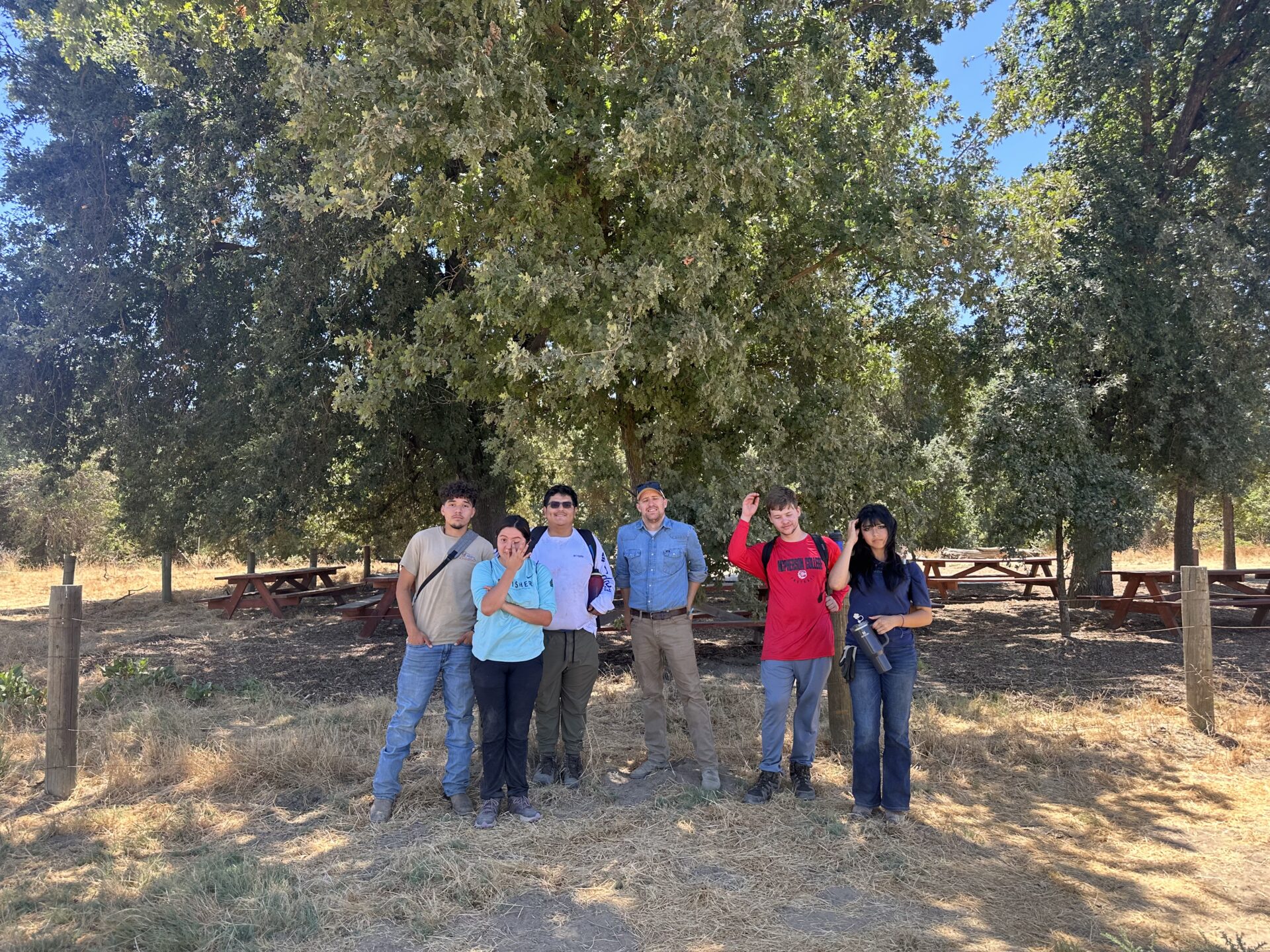
Over the past two years, I have had the privilege of leading a workforce development program in partnership with the Sierra San Joaquin Jobs (S2J2) initiative. When we started on this journey the goals were fairly straightforward: give local youth and/or occupationally disadvantaged people meaningful work experience, provide the opportunity for them to gain practical skills, and help prepare them for the local workforce or whatever may come next for them.
What I don’t think I fully appreciated at the beginning was how rewarding it would be to hear about where the participants went after the program and what they were able to accomplish.
Two years, two dozen young people
In these two years, roughly two dozen young people, primarily late high school and early college-aged students have completed the program. I was excited to work on such a meaningful project, being able to provide a low stress environment for them to hone their job specific and soft skills, and allowing them to recognize that they each possess qualities that are desired in any work place. I have watched these young people arrive with little or no work experience, and through their time in the program gradually become more comfortable in a workplace, gain trust in their own personal responsibility, learn to work as a team, and grow as individuals into leaders that we trust now and in the future.
Learning the nitty-gritty of conservation
At the same time, many of these young people were introduced to another world that many have had very little exposure to: land conservation.
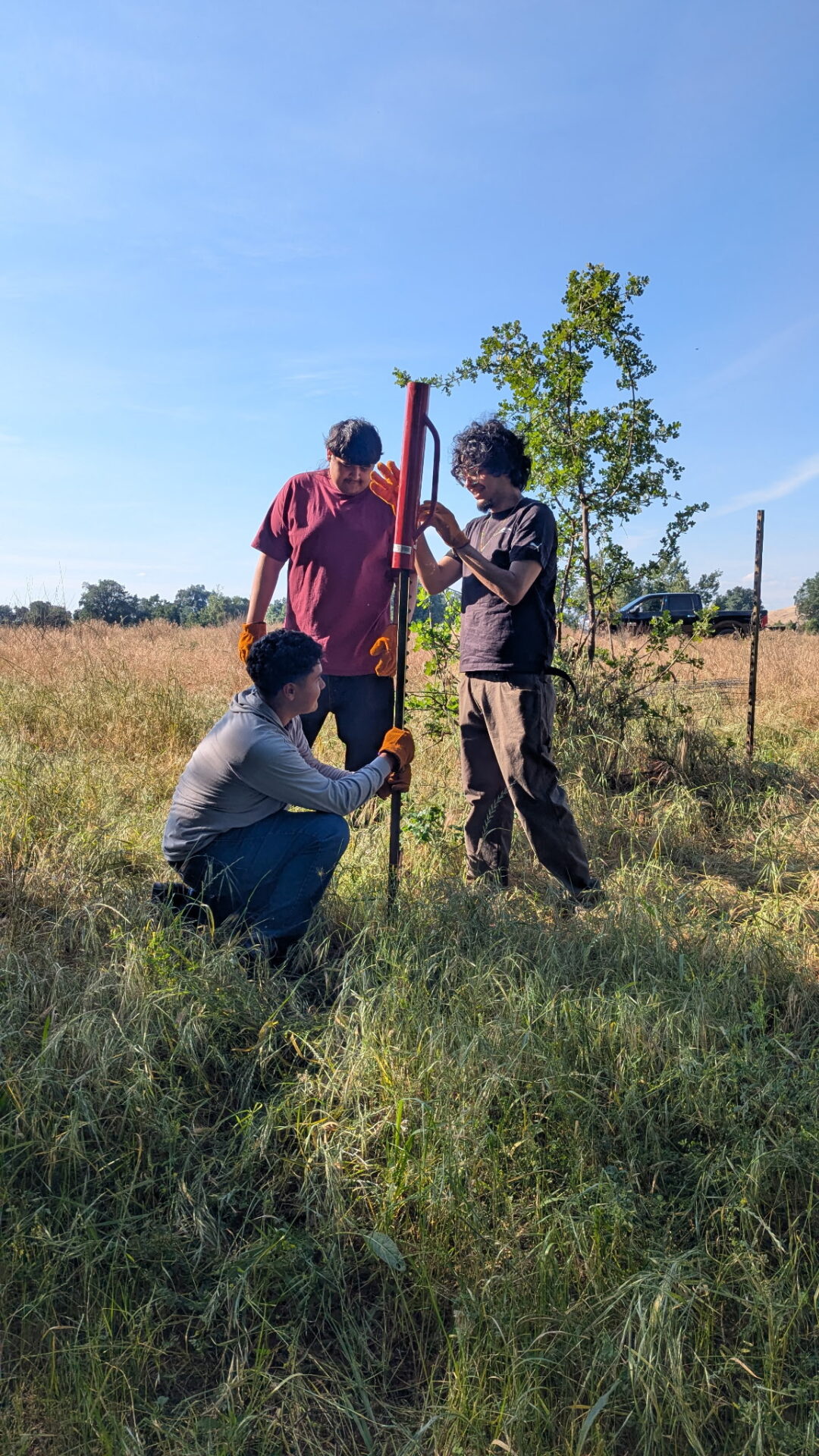
They have worked alongside Sequoia Riverlands Trust restoring habitat, maintaining trails, the management of preserves and the overarching caring and healing of the land we all have been entrusted to protect. They have done the everyday “nitty-gritty” most people do not realize takes place: planting trees and shrubs, pulling invasive weeds that threatens the well being of what they have planted, and constructing wildlife habitats to reintroduce long absent animals to their native homes. But just as importantly as all of the little things is this: they have had the opportunity to understand why all of that hard work matters.
“The decisions we make about our land today will determine what kind of environment our children and grandchildren will inherit.”
Why conservation matters for the next generation
Conservation isn’t simply about protecting a beautiful piece of property or preserving wildland open space for people to visit. Healthy landscapes support wildlife, protect scarce water resources, provide habitat to wildly important pollinators, store carbon, and help make our communities more resilient. The decisions we make about our land today will determine what kind of environment our children and grandchildren will inherit.
That is what makes introducing young people (like those who participated in the S2J2 initiative) to conservation especially important. They will be the ones who will carry that mantle into the future.
Where they go next
Not every young person who comes through the program will pursue a career in conservation, and that is okay and is not the expectation. They may go on to work in a plethora of different industries where they will build their careers no one can predict. Since many have completed the program, I have reached out and heard some amazing stories that filled me with joy and a sense of accomplishment. Many have gone on to get full-time jobs using the resume building and interview preparation skills they have learned in the program to secure them. Some have rededicated themselves to finishing school and are now seeking out higher education.
A resume for his father
One story in particular has stayed with me. A student shared that his father had recently been laid off from his job at an agricultural operation and needed to find new employment. His father had never written a resume before, but after participating in our resume-building workshop, the student was able to take what he had learned and help his father create a professional resume. Those are the moments that remind me of why this work matters, not only for the land but also for the people.
A shared future
But wherever they go, my hope is that they leave SRT understanding that caring for the land, water and natural resources we depend on isn’t someone else’s responsibility. These resources belong to a shared future, and protecting them ultimately benefits us all. I do not know who said it first, but I like to say and truly believe that, “a healthy land makes for a healthy people.”
Want to spend a morning on the land yourself? Find a volunteer day, or learn how the Enduring Lands Collective could help support land stewardship and programs like this one.